
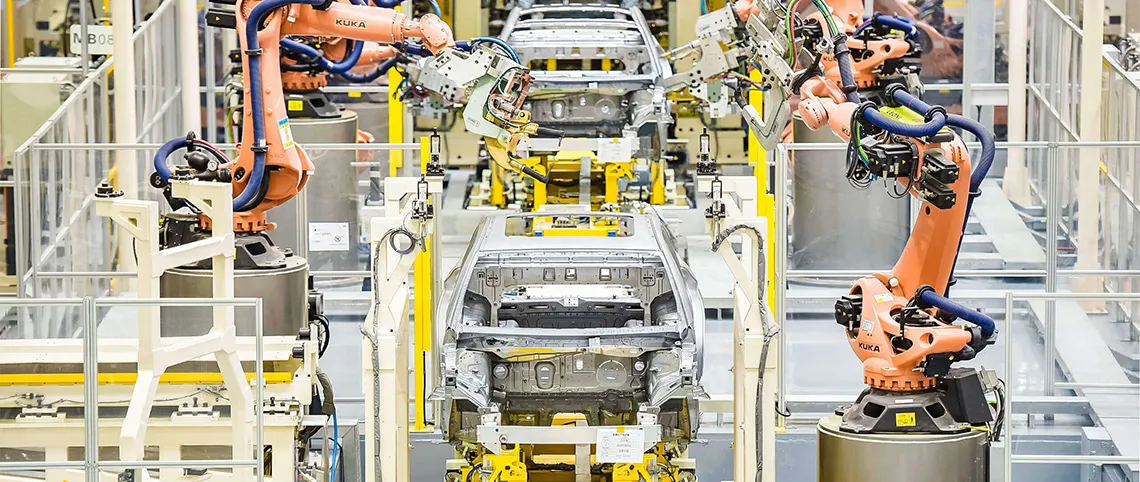
full tempered glass
Understanding the Pricing of 150mm Gate Valves Gate valves are crucial components in various industrial systems, serving as on/off switches for fluid flow. Primarily used in water supply, wastewater management, and other fluid transport applications, gate valves are favored for their ability to provide a straight-line flow with minimal obstruction. Among the different sizes, the 150mm (6-inch) gate valve stands out as a popular choice due to its balance between size, flow capacity, and functionality. This article will explore the factors influencing the price of 150mm gate valves and provide insights for potential buyers. Why Choose a 150mm Gate Valve? The 150mm gate valve is commonly used in applications requiring substantial flow control. Its size allows for efficient flow rates, making it ideal for pipelines in municipal water systems, irrigation projects, and industrial applications where large volumes of fluids need to be managed. Unlike other valve types, gate valves are designed to be fully open or fully closed, minimizing resistance to flow in the fully opened position. This design not only contributes to reduced energy costs but also enhances the overall efficiency of the system. Factors Influencing the Price 1. Material of Construction The price of a 150mm gate valve is heavily influenced by the materials used in its construction. Common materials include cast iron, ductile iron, stainless steel, and bronze. For example, cast iron valves are generally more affordable but may not be suitable for highly corrosive environments, where stainless steel valves become necessary. Consequently, the material choice significantly impacts pricing. 2. Valves Design and Standards Gate valves can come in various designs—rising stem, non-rising stem, and different sealing methods, such as soft-seated or metal-seated designs. Valves manufactured according to specific industry standards (like API, ASME, or AWWA) may also command higher prices due to the additional rigor in quality assurance and testing. 3. Manufacturer Reputation The reputation of the valve manufacturer plays a significant role in pricing. Established brands known for reliability and performance may charge a premium, while less well-known manufacturers might offer competitive prices. Investing in a reputable manufacturer can lead to better performance, longevity, and support, which may justify a higher initial cost. 150mm gate valve price 4. Operating Pressure and Accessories The maximum operating pressure that a gate valve can handle will also influence its cost. Valves designed for higher pressure systems often incorporate more robust materials and engineering, raising the price. Additionally, features such as gear operators, electric actuators, or other automation technologies can further increase costs. 5. Market Conditions and Geographic Location Prices can vary depending on market demand and supply conditions, which may fluctuate based on economic factors, availability of raw materials, and overall market trends. Geographic location can also affect pricing due to transportation costs and regional demands. 6. Customizations and Special Features If specific customizations are needed—such as unique sizes, coatings, or material combinations—these can contribute to higher costs. Custom designs often require additional engineering and testing, which are reflected in the final price. Average Pricing While the price of a 150mm gate valve can vary significantly, a general range can be expected. Basic models made from cast iron or ductile iron typically start at around $200 to $400. Mid-range options featuring better materials and additional features can reach prices between $500 and $800. Premium brands or specialized designs may exceed $1000. Conclusion When considering the purchase of a 150mm gate valve, understanding the various factors influencing its price is essential. Buyers should evaluate their specific needs, such as material requirements, pressure ratings, and environmental conditions. While it can be tempting to go for the lowest-priced option, investing in a quality valve from a reputable manufacturer could lead to long-term savings by minimizing maintenance costs and ensuring reliability. By carefully analyzing the available options, purchasers can make informed decisions that align with their project requirements and budget constraints.
about
full tempered glass
The Price of Parallel Rulers An In-Depth Look at Cost, Value, and Quality In the world of drafting and design, parallel rulers are essential tools that can elevate the precision and efficiency of any project. Whether you are an architect, an engineer, or a student learning the fundamentals of geometry, understanding the various options available can help you make the most informed decision. One of the most significant considerations when selecting a parallel ruler is its price, which can vary greatly depending on several factors. This article will explore the price range of parallel rulers, the attributes that affect these prices, and tips on how to choose the right one for your needs. Understanding Price Variations Parallel rulers can generally be found in various price segments, ranging from budget-friendly options to high-end professional models. On the lower end of the spectrum, you may find plastic or lightweight aluminum parallel rulers for as little as $10 to $30. These are suitable for students or casual users who require basic functionality without the need for enhanced durability or precision. On the higher end, professional-grade parallel rulers made from durable materials like stainless steel or high-quality wood can range from $50 to over $200. These rulers are designed for heavy use and offer features such as enhanced glide mechanisms, advanced calibration markings, and ergonomic grips, all of which can significantly improve usability and accuracy in intricate projects. Factors Affecting Price 1. Material Composition The material used in the construction of a parallel ruler directly impacts its price. For instance, plastic options are lightweight and cost-effective, while metal rulers offer greater longevity and stability, justifying their higher price. 2. Brand and Design Established brands with a reputation for quality often command higher prices. Furthermore, design features such as sleek aesthetics and user-friendly designs may also contribute to the overall cost. 3. Features and Functionality More complex parallel rulers may include integrated measuring scales, digital displays, or additional functionalities designed for specific fields of engineering or design, which can significantly increase their cost. parallel ruler price 4. Precision Engineering For professional draftsmen and architects, the need for precision is paramount. Rulers that undergo meticulous engineering processes to ensure accurate measurements are typically more expensive but yield better results for detailed work. Finding Value for Your Money When purchasing a parallel ruler, it is essential to balance cost with quality and functionality. Here are some tips for finding the right ruler at the right price 1. Perform Research Before making a purchase, investigate various brands and read reviews from other users. This research can provide insight into the durability and accuracy of different models, helping you avoid settling for cheaply made products. 2. Consider Usage Evaluate how frequently you will be using the ruler and for what purposes. If you are a student or a hobbyist who only occasionally needs a parallel ruler, a budget-friendly option may suffice. In contrast, professionals might benefit from investing more in a tool that meets their demanding productivity needs. 3. Look for Sales and Discounts Keep an eye on promotions and sales events, especially during back-to-school periods or holiday seasons. Many retailers offer significant discounts on art and drafting supplies. 4. Check Warranty and Return Policies Investing in a more expensive parallel ruler can be worthwhile if it includes a warranty or guarantee. This demonstrates the manufacturer's confidence in their product and provides peace of mind regarding your investment. Conclusion In summary, the price of parallel rulers varies greatly depending on factors such as material, brand, design, and functionality. While you can find options suitable for every budget, it’s crucial to consider what features are most important for your specific needs. By balancing cost with quality, functionality, and usage expectations, you can ensure that your parallel ruler will not only fit your budget but also serve you well for years to come. Happy drafting!
-

High quality industrial productsagement

High quality industrial products
View Details -

Meet the diverse needs of customers

Meet the diverse needs of customers
View Details -

Strict quality control

Strict quality control
View Details -

Top raw materials

Top raw materials
View Details -

Trusted supplier

Trusted supplier
View Details
Our application


news and information

Versatile 4x6 Welding Table for Efficient Metal Fabrication and DIY Projects
Enhancing Your Workshop with a 4x6 Welding Table When it comes to welding, having the right workspac

Versatile 3x6 Fabrication Table Designed for Welding Projects and Metalworking Applications
The Versatility and Importance of a 3x6 Welding Table Welding is a critical skill in various industr
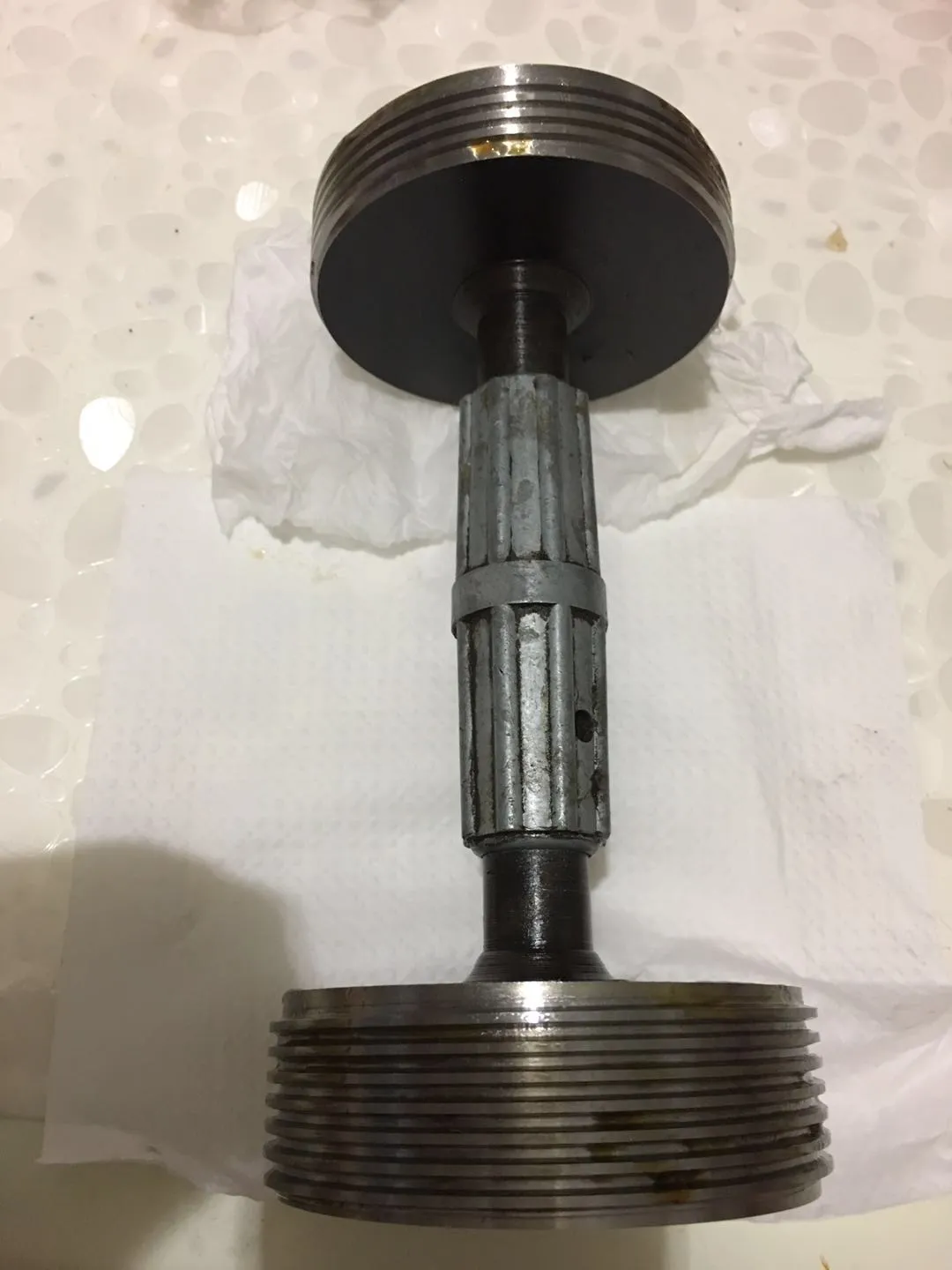
valvola di ritegno non slam
Valvole di Non Ritorno Un'Analisi Approfondita Le valvole di non ritorno, conosciute anche come valv
 English